Eco-Friendly Approaches: How E-Waste Recycling Services Are Preserving Our Planet
E-waste poses significant threats to the environment, as discarded electronics often contain toxic materials. These hazardous substances can contaminate soil and water, leading to broader ecological damage. E-waste recycling services present a viable solution. They serve the dual purpose of reclaiming precious materials and reducing contamination. Gaining insight into how these programs function and affect local communities is critical. The path to successful electronic waste management prompts vital discussions about personal accountability and communal efforts. What actions should be considered going forward?
Why E-Waste Poses a Threat to the Planet
Even though technological advancements improve modern life, e-waste creates significant environmental threats. Abandoned electronic gadgets, frequently composed of toxic substances including mercury, lead, and cadmium, can leach toxins into the surrounding soil and water supply, presenting dangers to both wildlife and human well-being. The swift progression of technology contributes to higher rates of electronics disposal among consumers, intensifying the growing problem of discarded electronic materials.
Landfills, already strained by waste, are unable to keep up with the rising quantities of abandoned electronics. Burning, an alternative disposal approach, discharges toxic contaminants into the air, worsening overall air quality. Furthermore, inadequate recycling methods can result in the shipment of electronic waste to underdeveloped nations, where workers may break down equipment without proper protective measures, putting themselves at risk of exposure to hazardous materials. This ongoing cycle of carelessness and inadequate management emphasizes the pressing necessity for responsible recycling initiatives that can lessen the harmful consequences of e-waste on our world.
What Is E-Waste and Its Importance?
E-waste, or electronic waste, encompasses unwanted electronic equipment like smartphones, computers, and televisions that have reached the end of their useful life. This rapidly expanding waste category is noteworthy because of its swift buildup, propelled by advances in technology and evolving consumer behaviors. With an increasing number of devices reaching obsolescence, the toll on the environment grows more severe, with harmful substances like lead, mercury, and cadmium threatening both ecosystems and public health.
The significance of tackling e-waste extends beyond minimizing these risks to recognizing the valuable resources it holds. Critical metals and rare earth components can be reclaimed and recycled, decreasing the reliance on mining and protecting natural resources. Through a deeper awareness of e-waste and its consequences, both individuals and organizations can make well-informed choices regarding disposal and recycling, thereby supporting a more sustainable future. Effective handling of e-waste is vital for encouraging a circular economy and advancing environmental responsibility.
How the E-Waste Recycling Process Works
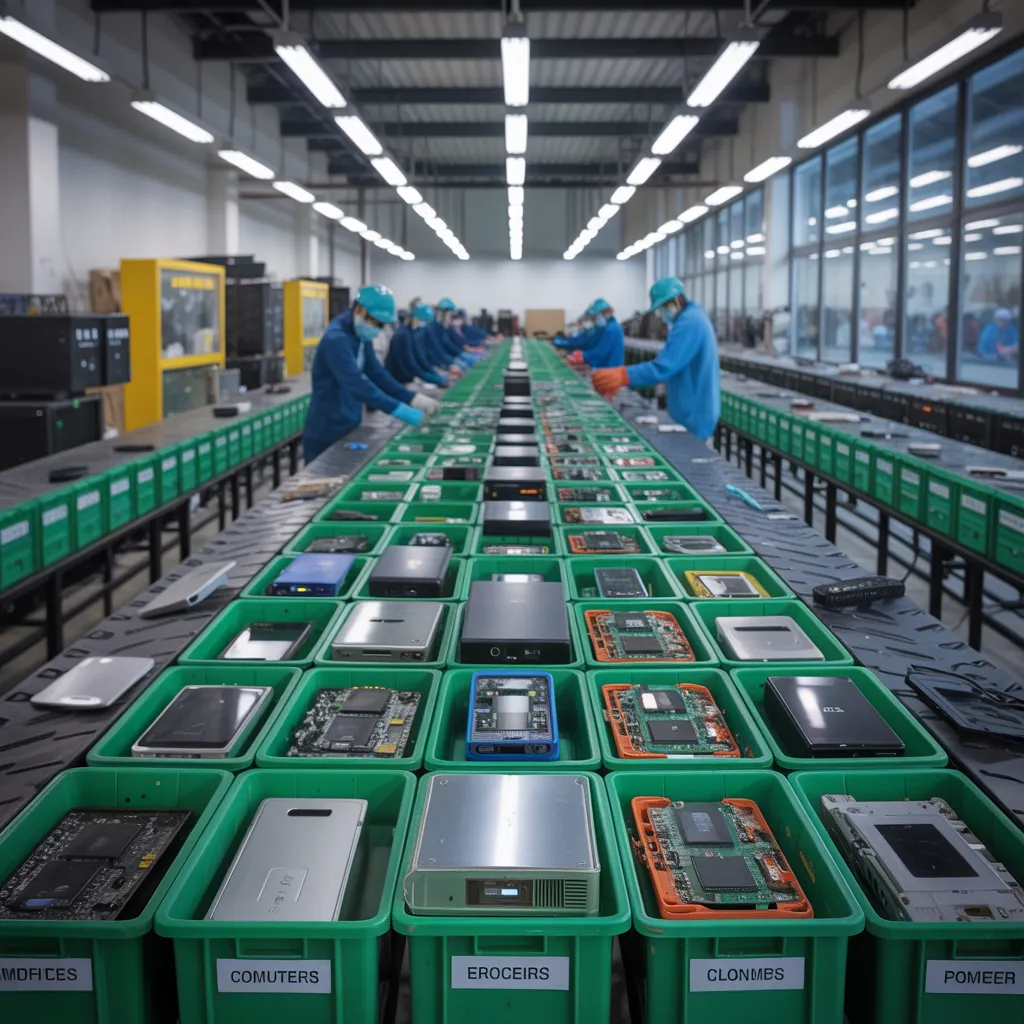
E-waste recycling entails a systematic process aimed at reclaiming useful resources while minimizing environmental impact. To begin, discarded electronics are retrieved and sent to dedicated processing centers. Upon arrival, the electronics are carefully categorized to separate hazardous components from recyclable materials.
Next, technicians dismantle the devices, separating plastics, metals, and glass. This stage is crucial, as it makes possible the retrieval of precious metals like gold, silver, and copper, which can be recycled in new electronic products.
Next, the sorted materials are processed using state-of-the-art techniques, such as shredding and chemical treatments, to prepare them for reuse.
Finally, the residual hazardous waste is handled with responsibility, following environmental guidelines. This comprehensive process not only conserves resources but also minimizes the hazards linked to irresponsible electronic waste disposal, securing a more eco-conscious future for electronic device usage.
Why E-Waste Recycling Matters for You and Your Community
While many individuals may not realize it, the positive effects of e-waste recycling extend beyond personal convenience to positively impact entire communities. By responsibly disposing of electronic waste, individuals contribute to a cleaner environment, minimizing toxic components that can contaminate soil and water. This forward-thinking practice helps preserve local ecosystems and supports public health.
Furthermore, electronic waste recycling supports workforce growth within communities. Community recycling operations commonly require workers for numerous tasks, spanning collection through processing, therefore offering work opportunities for community members. This not only enhances the community economy but also promotes community participation in sustainable initiatives.
Furthermore, awareness of e-waste recycling may result in awareness campaigns, enabling residents to embrace sustainable practices. By participating in e-waste recycling programs, individuals cultivate a culture of sustainability, motivating others to join the movement. Ultimately, the collective impact of these actions can result in a more resilient and environmentally responsible community.
How to Pick an E-Waste Recycling Service
Picking the best e-waste recycling service is essential for ensuring that electronic waste is managed with responsibility and sustainability. To begin, people should check the service's certifications, such as e-Stewards or R2, which demonstrate adherence to established benchmarks for safe recycling practices. Additionally, it is advisable to assess the organization's reputation by checking reviews and obtaining referrals from reliable sources.
Next, transparency in the recycling process is vital. A trustworthy company should provide clear information about how e-waste is processed and how the materials are utilized. Moreover, considering the scope of services provided can prove valuable; some companies may provide pickup services or offer incentives for recycling.
In addition, understanding regional rules concerning e-waste disposal can further guide the decision-making process. Through focusing on these key aspects, people are able to support successful electronic waste reduction while supporting sustainable environmental efforts.
How You Can Get Involved in E-Waste Recycling?
Engaging in e-waste recycling often starts at the local level, where community recycling hubs often provide essential services for safe disposal. Additionally, joining community awareness campaigns can amplify efforts to educate others about the importance of responsible e-waste management. These initiatives not only promote sustainability but also cultivate a collective sense of stewardship of the environment.
Local Recycling Centers
A wide range of community recycling facilities serve a vital function in electronic waste recycling, supplying communities with reliable ways to manage electronic waste appropriately. These stations receive a selection of digital devices, including aging computers, cell phones, and television sets, guaranteeing that dangerous substances are processed safely. Most stations have experienced team members who can guide individuals on proper disposal methods, underscoring the benefits of recycling compared to landfilling. Furthermore, many centers offer drop-off events or designated collection days, allowing residents to take part with ease. By View more taking advantage of these neighborhood resources, community members advance a circular economy, minimizing ecological impact and fostering sustainable behaviors. Partnering with these facilities enables communities to combat e-waste pollution successfully.
Community Awareness Campaigns
Nearby organizations, schools, and enterprises can partner to arrange initiatives that encourage e-waste collection drives. Dedicated participants can take a leading part in promoting knowledge, handing out educational content, and interacting with the surrounding community. Through these collective efforts, local inhabitants gain greater awareness and encouragement to properly recycle their e-waste, thereby helping to build a greener and more sustainable tomorrow.
Frequently Asked Questions
What Electronic Devices Are Eligible for Recycling?
Numerous electronics may be recycled, including computers, smartphones, televisions, laptops, gaming consoles, and printers. Moreover, accessories such as mice, keyboards, and batteries are also suitable for recycling, supporting efforts to conserve the environment.
Are There Any Costs Associated With E-Waste Recycling?
Indeed, electronic waste recycling may involve costs, based on the service provider. Some service centers charge fees for pickup or handling, while other facilities make services available at no charge, frequently supported by the sale of reclaimed components.
How Do Businesses Gain From E-Waste Recycling?
Companies can take advantage of e-waste recycling by lowering disposal expenses, improving their green reputation, complying with regulations, recovering valuable materials, and possibly earning income through resale, thus supporting a greener and more sustainable operational framework.
What Happens to Data on Recycled Devices?
Information from refurbished devices is commonly permanently erased or obliterated throughout the recycling process. This ensures private details stays protected, stopping improper access while permitting components to be repurposed carefully and ethically across new manufacturing processes.
Are Broken Electronics Eligible for Recycling?
Absolutely, non-functioning electronics may be recycled. A wide range of collection points process broken devices, guaranteeing responsible disposal and retrieval of precious materials. This effort helps decrease harm to the environment while promoting sustainable recycling habits to control e-waste properly.